


U.S. Grapples with Iran Strikes, Rekindles War Powers Debate
Recent Iranian military actions have heightened tensions. These strikes target U.S. interests and allies in the Middle East. The incidents have sparked significant concern in Washington. U.S. officials are evaluating response options.
Meanwhile, the attacks have reignited a critical debate. This discussion centers on presidential war powers. Members of Congress are questioning the Executive Branch’s authority. They seek a more prominent role in deciding military action.
Escalating Tensions and Iranian Actions
Reports indicate a series of precision strikes. These attacks are attributed to Iranian forces. They have targeted vital infrastructure. Additionally, some reports suggest harm to U.S. personnel. The specific details remain under review by defense officials.
Such actions threaten regional stability. They also directly challenge U.S. security interests. The administration condemns these acts. It promises a firm and measured response. However, congressional leaders demand careful consideration.
Congressional Response and War Powers Act
Lawmakers from both parties are speaking out. Many assert Congress’s constitutional responsibility. They believe only Congress can declare war. This sentiment highlights the 1973 War Powers Resolution.
The Resolution aims to limit presidential authority. It requires presidents to consult with Congress. They must also notify Congress of military deployments. Furthermore, it mandates congressional approval for long-term engagements. Troops cannot remain in hostile areas for over 60 days without authorization.
Some members are calling for a new vote. They want to specifically authorize any military action against Iran. Others argue for a broader debate on U.S. strategy. They believe prolonged military presence requires clear legislative backing.
The Executive’s Stance and Historical Context
The current administration defends its ability to act swiftly. Officials argue for the need for immediate defense. They state that national security requires flexibility. This allows for quick responses to direct threats. Such arguments often cite Article II of the Constitution. It designates the president as Commander-in-Chief.
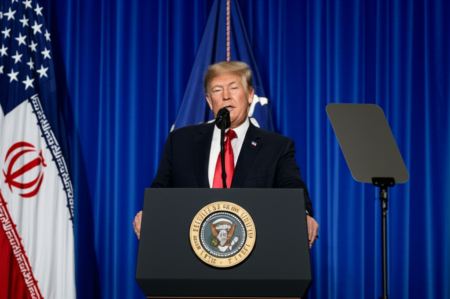
This debate is not new. Past administrations have also faced similar challenges. For example, the Trump administration took decisive action against Iran. These actions included airstrikes. They were often conducted without explicit congressional authorization. Critics at the time voiced similar concerns. They worried about presidential overreach.
The previous administration’s approach set a precedent. It emphasized executive autonomy in foreign policy. Consequently, the current legislative push reflects a desire for rebalancing. Congress wants to reclaim its role in war-making decisions.
Outlook and Future Implications
The situation in the Middle East remains volatile. Diplomatic efforts continue in the background. Meanwhile, the internal U.S. debate is crucial. It will shape the country’s foreign policy approach. It also defines the balance of power.
A resolution in Congress could impact future engagements. It might influence military deployments globally. Furthermore, it could redefine executive-legislative relations. This ongoing discussion underscores a fundamental tension. It balances presidential efficiency with democratic oversight. The outcome will have lasting consequences for U.S. national security.